Making Remote Learning Actually Work
You know what's funny? Everyone talks about the flexibility of remote learning, but nobody warns you about the weird challenges. Like how your brain suddenly forgets what "focus" means when your bed is three feet away.
Get StartedYour Space Matters More Than You Think
Here's something I learned the hard way: working from your couch sounds great until your back starts complaining. And trying to concentrate while your roommate makes lunch? That's a whole different challenge.
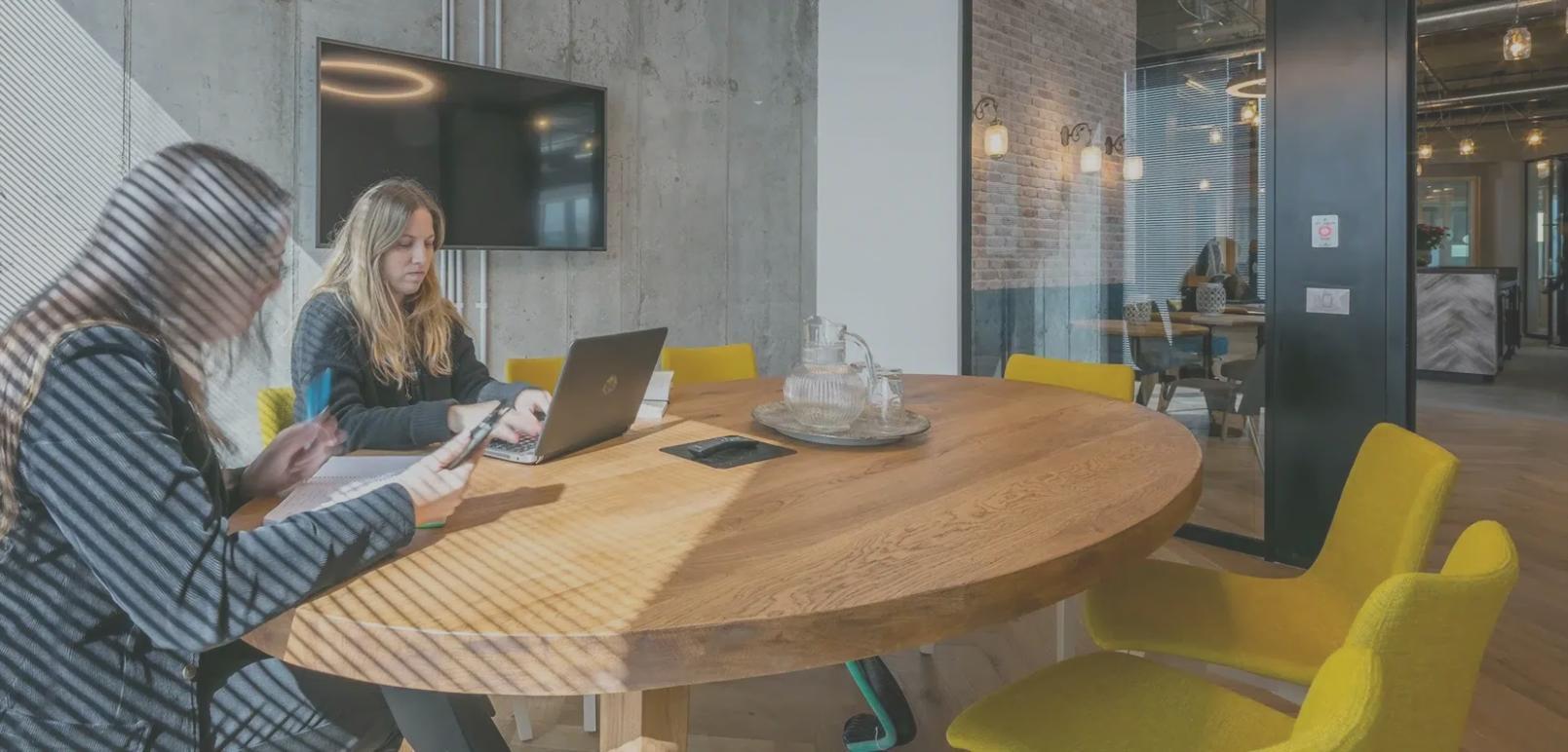
The thing is, you don't need a fancy home office. But you do need somewhere your brain recognizes as "work mode." Could be a corner of your bedroom, a spot at the kitchen table after breakfast, or even a closet you've converted into a tiny desk nook.
Natural light helps. A decent chair saves your spine. Headphones are basically mandatory if you share your space with anyone. And honestly? Sometimes just facing a wall instead of your TV makes all the difference.
Techniques That Actually Help You Concentrate
The Pomodoro Approach
Work for 25 minutes, break for 5. Sounds almost too simple, right? But there's something about knowing a break is coming that makes it easier to ignore distractions. Plus, you can accomplish a surprising amount in focused 25-minute chunks.
Background Noise Balance
Complete silence doesn't work for everyone. Some people need coffee shop ambience, others need instrumental music, and some work best with white noise. Try different options and see what helps your brain settle into work mode.
Digital Boundary Setting
Turn off notifications during study sessions. Seriously. That ping from a group chat can completely derail your train of thought. You can catch up on messages during breaks without losing momentum every five minutes.
Morning Routine Consistency
When your commute is just walking to another room, you need something to signal "work is starting." Maybe it's making coffee, doing a quick workout, or just getting dressed. Having a consistent start routine helps your brain shift gears.
Physical Movement Breaks
Your body wasn't designed to sit still for hours. Stand up, stretch, walk around between tasks. Even just doing a lap around your apartment can reset your focus better than scrolling through your phone.
Task Batching Method
Group similar activities together instead of jumping between different types of work. Answer all your emails at once, then switch to deep focus work, then handle administrative stuff. Context switching exhausts your brain faster than you'd think.

Building a Schedule You'll Actually Follow
- Start with your natural energy patterns. If you're sharp in the mornings, tackle difficult material then. Night owl? Structure your day accordingly instead of fighting your biology.
- Block out specific times for checking messages and email. Constant availability sounds good in theory but fragments your attention. Two or three check-in windows per day works better.
- Include buffer time between major tasks. Back-to-back commitments look efficient on paper but leave no room for things running long or needing a mental reset.
- Set realistic daily goals. Three substantial tasks completed beats ten items half-finished. You want to end each day feeling accomplished, not overwhelmed by what didn't get done.
- Schedule breaks like they're actual appointments. You wouldn't skip a meeting, so don't skip the breaks that keep you functioning throughout the day.
- Leave some flexibility in your plan. Rigid schedules crack under pressure. Having designated "flex time" means unexpected things don't derail your entire day.
Staying Connected When Everyone's Remote
Remote learning can feel isolating if you're not intentional about communication. You miss those casual conversations before class starts, the quick questions you'd normally ask a classmate, the social energy of being around other people. But there are ways to bridge that gap.
| Communication Type | Best Practices | Common Pitfalls to Avoid |
|---|---|---|
| Video Calls | Keep camera on when possible, use good lighting, test audio beforehand, minimize background distractions | Multitasking during calls, poor audio quality, forgetting to unmute, not checking your connection |
| Chat Messages | Be clear and concise, respond within reasonable timeframes, use appropriate channels, read full threads before replying | Assuming tone, sending walls of text, expecting instant responses, using wrong communication channels |
| Email Communication | Use descriptive subject lines, get to the point quickly, proofread before sending, respond to all parts of messages | Overly formal or overly casual tone, burying important information, forgetting attachments, unclear requests |
| Study Groups | Schedule regular times, rotate facilitation, set clear agendas, establish group norms early | Dominating conversations, being unprepared, unreliable attendance, letting one person do all the work |
| Instructor Contact | Check office hours, prepare specific questions, follow up appropriately, respect response time expectations | Asking questions covered in syllabus, vague problem descriptions, demanding immediate attention, not utilizing available resources first |
And here's something people don't mention enough: you need to actively create social interaction opportunities. Join virtual study groups even when you don't strictly need them. Show up to optional online events. Reach out to classmates individually. The connections won't just happen automatically like they might in physical classrooms.
Check Technical Requirements →Taking Care of Yourself While Learning Remotely
Let's be real about this: remote learning can mess with your head if you're not careful. The boundaries between work time and personal time blur. You might find yourself checking course materials at 11 PM just because you can. Or feeling guilty for taking breaks because you're technically "at home" anyway.
But burnout is real, and it sneaks up on you. One week you're fine, the next you're exhausted for no clear reason. So you've got to be intentional about maintaining balance.
Set actual work hours and stick to them. When you're done, close the laptop and step away. Eat real meals instead of snacking at your desk all day. Get outside, even if it's just a quick walk around the block. Stay connected with friends who have nothing to do with your studies.
The goal isn't perfect work-life separation — that's probably impossible when learning from home. The goal is creating enough structure that you don't feel like you're always working or never accomplishing enough.
And if you're struggling? Reach out. Most educational programs have support resources specifically for remote learners now. Using them isn't admitting defeat — it's being smart about taking care of yourself so you can actually finish what you started.